What is agentic documentation?
Agentic documentation answers questions instead of waiting to be read. A definition, what it is not, and how to agentify the docs you already have.
Documentation has always been passive. You write pages, organise them into a hierarchy, add search, and hope readers find what they need. Every improvement in docs tooling over the past decade, better generators, better themes, better search, has made the library nicer. The reader still does all the work.
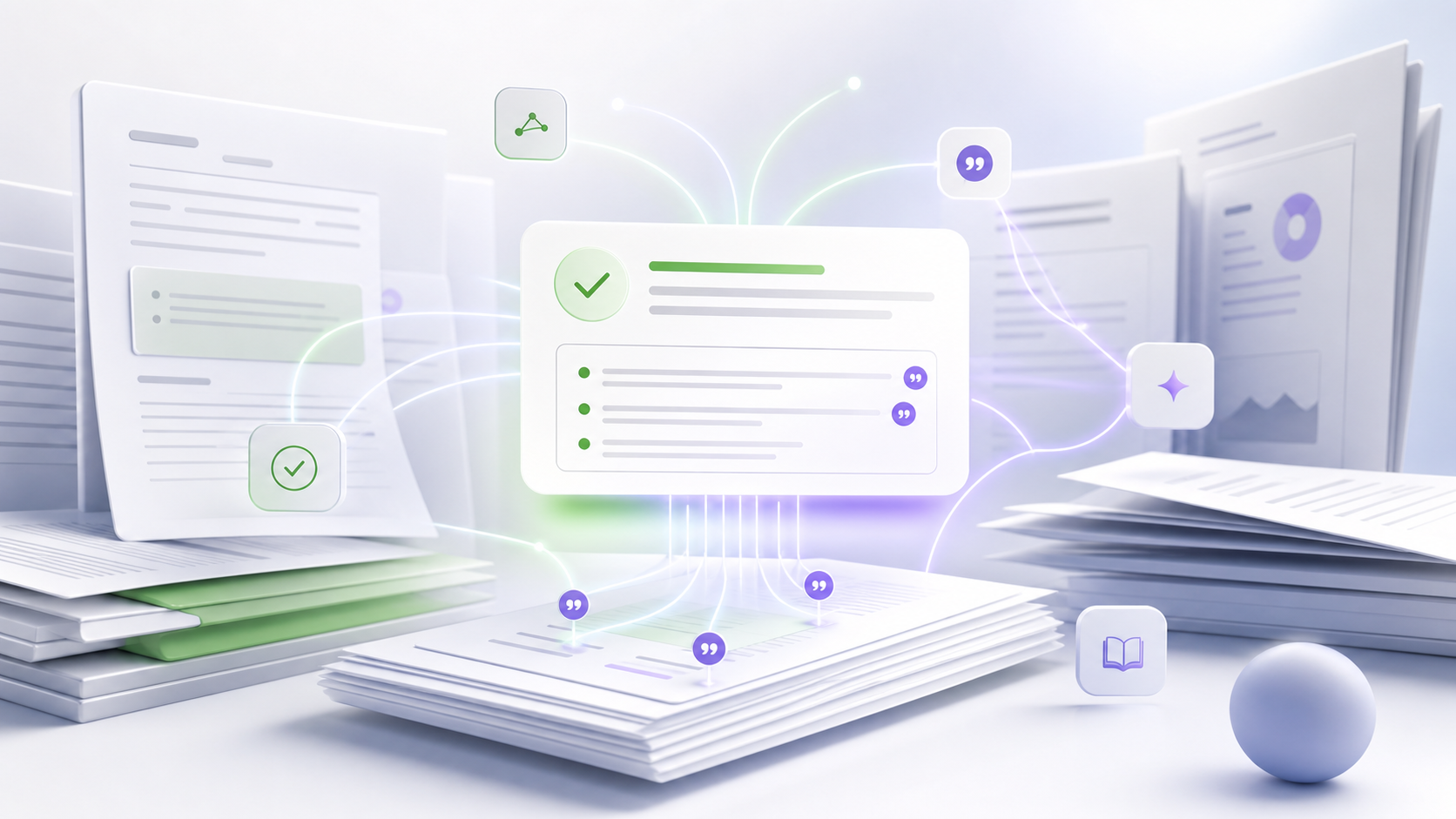
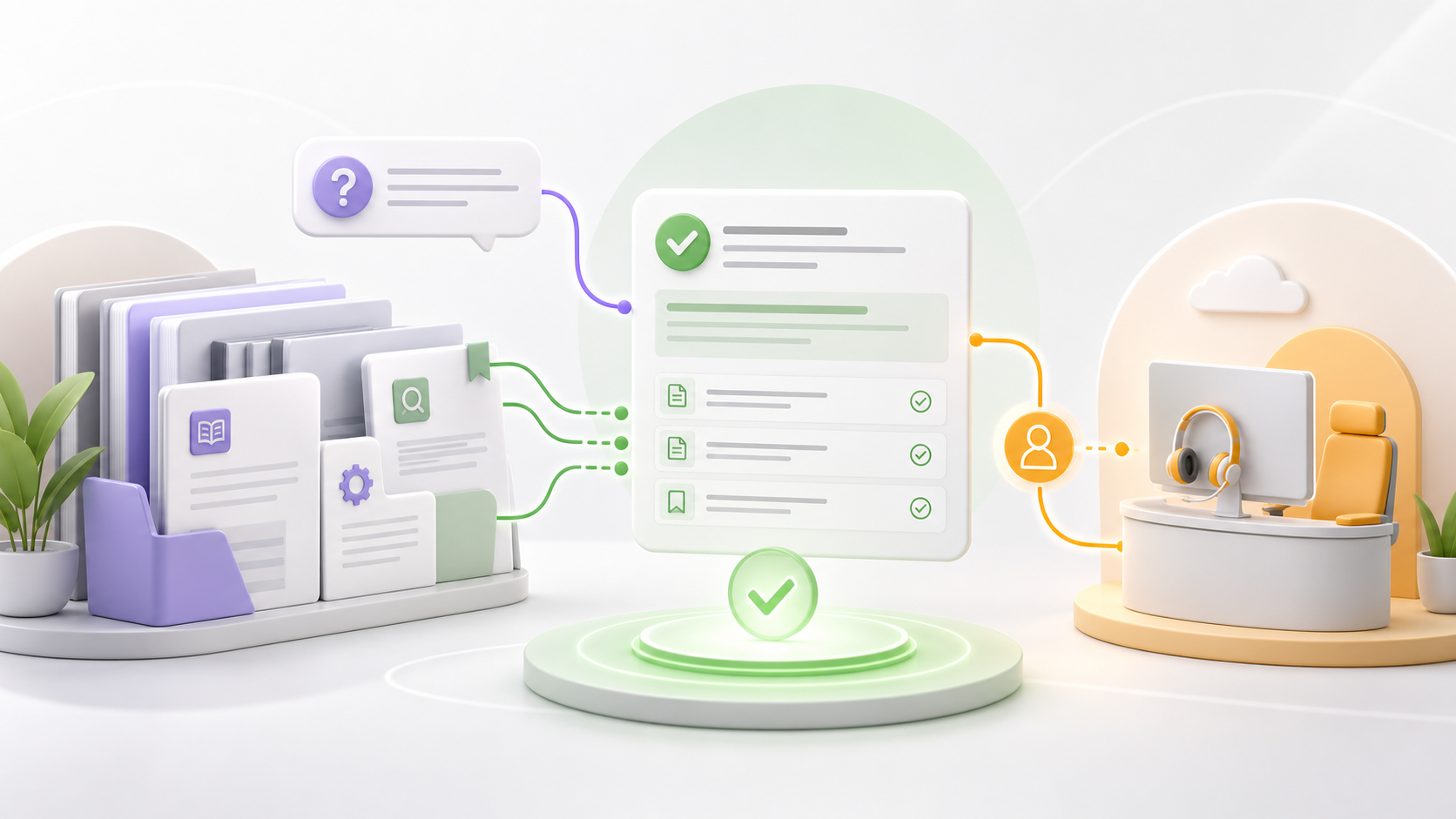
Agentic documentation flips that. The docs site itself takes on the job of answering. A reader asks a question in plain language, and the site replies with a direct answer drawn from its own content, cites the exact section it came from, and hands off to a human when it cannot help. The documentation stops being a place you search and becomes something closer to your best support engineer, one who has read every page and never sleeps.
A working definition
Documentation is agentic when it can do four things:
- Answer, not just retrieve. Given "how do I rotate an API key?", it responds with the steps, not a list of links that contain the word "key".
- Ground every answer in the content. The answer comes from your docs, with a citation the reader can open and verify. If the docs do not cover it, the honest response is "I do not know", followed by a handoff.
- Act inside the reader's journey. The assistant lives in the docs site itself, where the confusion happens, not in a separate portal.
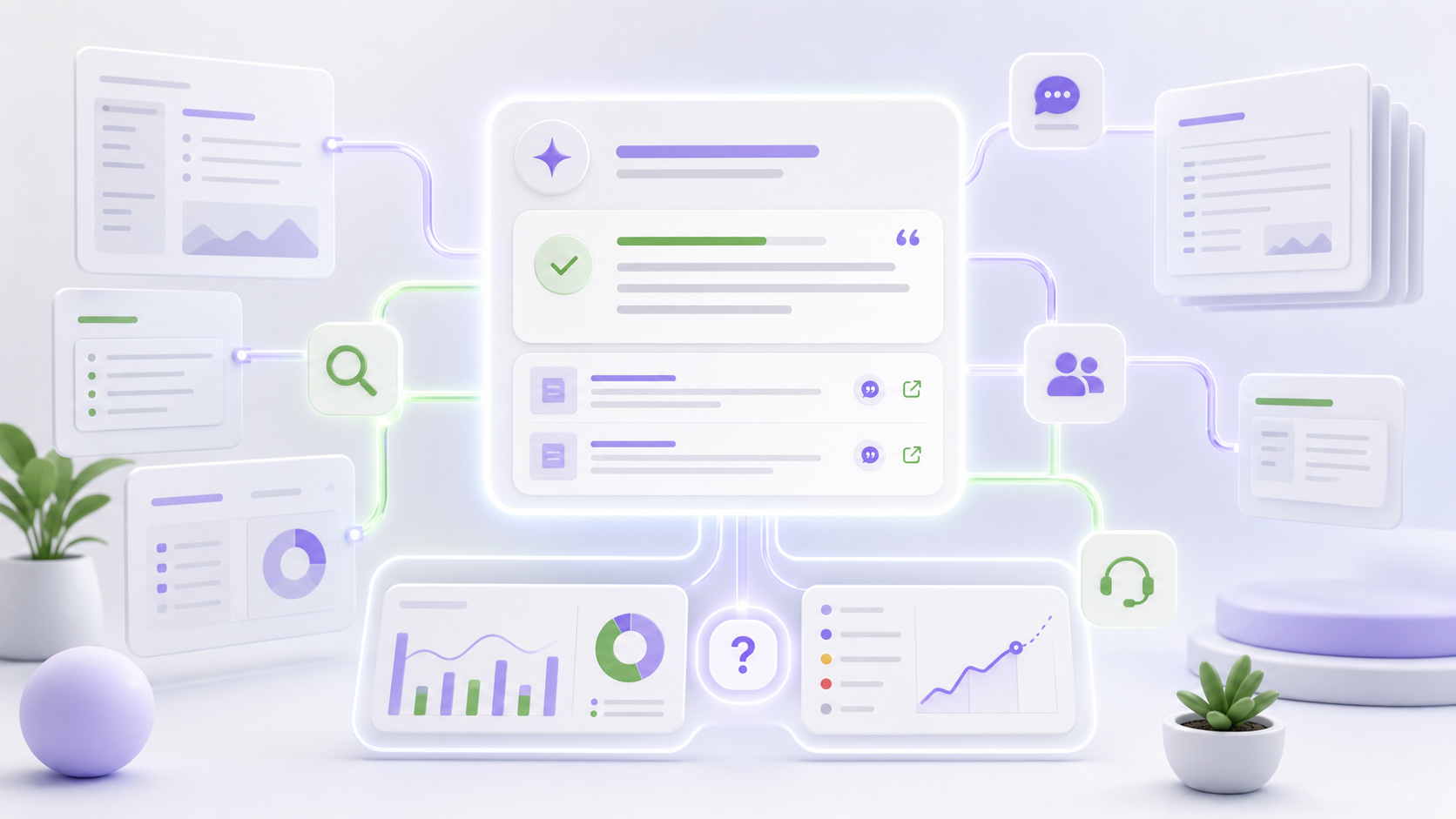
- Report back. Every question is a signal. Agentic docs tell you what readers asked, what was answered well, and which questions had no good answer, so the content improves where it actually falls short.
What agentic documentation is not
It is not a chatbot bolted onto your website. Generic chatbots answer from a model's general knowledge, which is how you get confident nonsense about your own product. The grounding and the citations are the difference between an agent and a liability.
It is also not a rewrite project. This misconception keeps teams stuck: they assume getting AI answers means migrating to a new platform, so agentic docs go on the roadmap for "next quarter" forever. If your docs already build from a Git repository, with Docusaurus, MkDocs, Sphinx, Hugo, or any static generator, they can be agentified as they are. Connect the repo, the site is built unchanged, and the assistant is added in the hosted layer. Minutes, not months.
Why teams are moving now
Three pressures are pushing docs teams in this direction at the same time.
Readers changed. People now expect to ask questions in natural language and get answers. A search box that returns ten blue links feels like homework.
Support costs did not. Every question your docs could have answered but did not is a ticket a human handles. Agentic docs deflect those tickets at the moment of confusion, which is why the strongest business case usually comes from the support budget, not the docs budget.
Static docs are blind. Page views cannot tell you what readers wanted. Questions can. Teams with agentic docs plan content from a ranked queue of real unanswered questions instead of intuition.
How to get there without a migration
If you are starting fresh, an AI-native platform gives you agentic behaviour out of the box. But most teams are not starting fresh, and the good news is they do not need to. The practical path is to keep your generator, your theme, your repo, and your review workflow, and add the agentic layer on top.
That is exactly what Connected Docs does: it builds your existing site as-is from Git, agentifies it with a cited AI assistant, and keeps it in sync on every push. Your docs keep their soul. They just learn to talk back.